Seasonal Anime Wrap-Up: Summer 2026
Ach ja, after my post-winter depression down that was the spring season, I am happy to announce, that we are indeed so back, like… not never before, but the Backstreet Boys could still sing a song of it. We’ve got sequels, adaptations of stories I actually read and much more and while I am indifferent to some of the series I watched weekly, this season is certainly up there as a contenders for the best since I have started almost three years ago now. This is a very good time to be an anime fan.
One-One-Two-Three Episode Survival Trials
For anyone asking what the difference between this category, whose name is subject to change on an even more flimsier whim than anything else here, and “The ones that didn’t make it” is… well, I don’t know. It is simply like last season where I watched a couple of anime for whom it does not feel right to officially call them “dropped” and more like “never really started watching to begin with”, even when I watched more than the first episode. Also, unlike last season, this one actually has anime I am sure I would have dropped eventually, if I had properly picked them up, so… man I don’t know, I don’t make the rules.
Red River
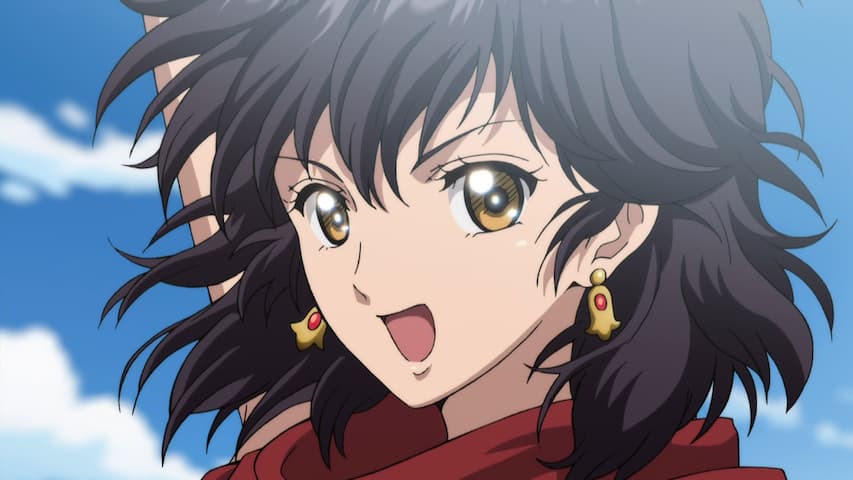
Even ignoring the obvious fact of the production being held together by hopes, dreams and the vague chance that the animators might see their families again, this first episode was rough. This isn’t just limited to immediately playing all the worst hits the shoujo catalogue has to offer right off the bat almost once every minute, but the entire narrative structure being all over the place. Yuri’s entire background, before being whisked away, is solely defined by her getting together with her nondescript boyfriend and even the actual whisking away to another world was incredibly unspectacular. She then proceeds to spend the entire episode either running away without any semblance of an actual plan or getting rescued by a man that gave me the creeps even faster than the guy from Maid Sama!… which can be argued to be speedrun worthy.
The entire conflict causing the inciting incident is also just really boring and the way it got temporarily resolved feels almost insulting the way no one seems to question the most obvious lies of known schemers. Seriously, the way Kail almost handwaves the queen’s plot as “Yeah, she just does that sometimes, lol” almost made me laugh out loud. Lastly, I know especially older media have a slight problem with orientalism and I know I can’t reasonably expect the level of research of this season’s Jaadugar from every anime, but I can’t even fault Yuri for not realizing how far from home she truly is, because this is supposed to be Anatolia? Honestly, one of the last places I would have guessed. I am a bit disappointed, because this is supposed to be like a legendary shoujo manga, but I guess it will simply end up on the unfortunately sizable pile of underwhelming adaptations for the girls™.
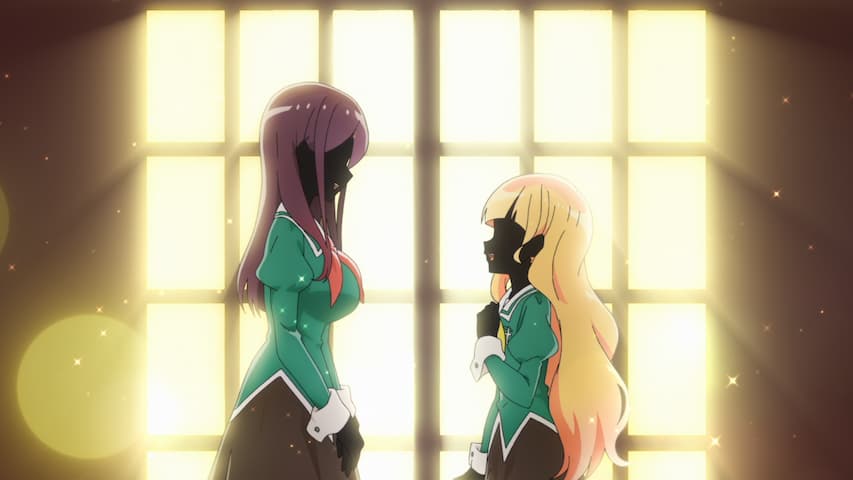
Young Ladies Don’t Play Fighting Games
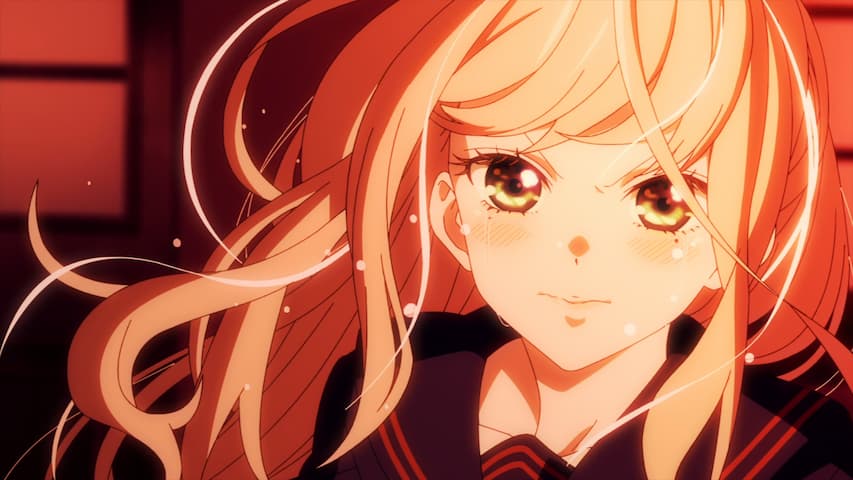
On one hand, Young Ladies Don’t Play Fighting Games scratches the same itch as Rock Is a Lady’s Modesty of a normal girl faking her way through the Class-S filled corridors of an all-girls school for the top percent, though instead of getting sweaty shredding on her guitar, this time the catch is getting down and dirty playing competitive Street Fighter. Naturally, it speaks to very similar tastes and I still feel a spiritual connection to those girls in the background squirming every time any of the girls do something even slightly… not even anything, really, just being in the general proximity to another and letting the inherent homoromanticism do its magic.
And the anime is fun, from the subversion of its own tropes to the unhinged energy those girls bring to the table on which their fight sticks rest on. But I also can’t help the feeling that I am simply not feeling it right. Sure, part of it is thinking that fighting games are ontologically evil and having to rely on reading game inputs as an additional layer of character interaction is a lot harder than just interpreting and vibing with music, but I am also not sure if the anime can keep up this energy throughout its entire run, when I am also already relatively satisfied with just this one episode. Again, more so a case of not feeling the need to continue watching than not wanting to continue watching. It do be like this sometimes… or many times, actually.
Iron Wok Jan!
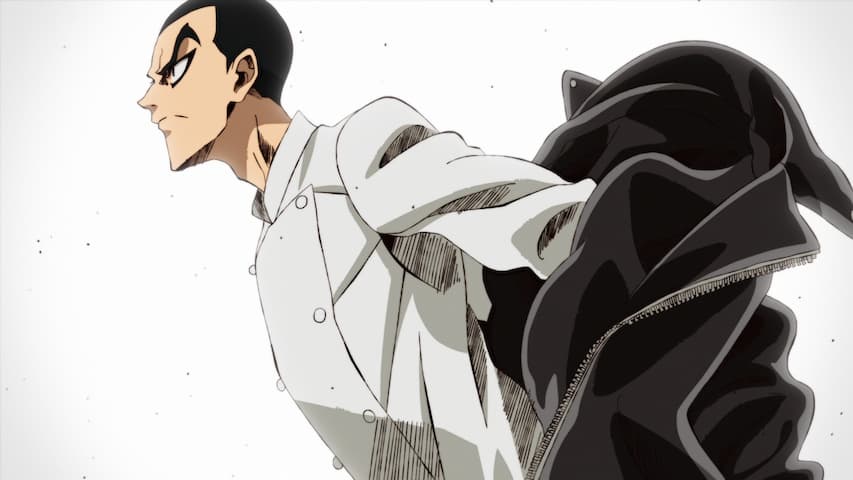
At the end of the first episode, the anime starts glazing the original manga crazy style by comparing its impact to the likes of the Great Hanshin Earthquake and the Tokyo subway sarin gas attack. This is the kind of confidence the anime approaches its story and characters with and, quite simply, I do not buy it. This is not even a dig against the writing of it all. It is very efficient in establishing the two leads, their philosophies and how it relates to cooking a succulent Chinese meal. Jan is the endearing kind of overconfident jerk, in part because he might actually be that good as he says and Kiriko has enough spunk and pride of her own to balance the dynamic and not make the rivalry appear one-sided and its conclusion foregone.
With that being said, I simply do not vibe with this series. For as much as I respect Ei Aoki’s direction, I do not like how the characters and the rest of the anime look, this hyper-aggressive competitive angle is not what I am looking for right now and, genuinely, every single character is grating to no end. Part of the appeal is this very in-depth explanation of each meal, but I don’t feel the hype and audacity in it at all and the way the side characters react constantly surprised makes all the other chefs in the kitchen feel like amateurs that shouldn’t work in this prestigious restaurant. In the end, I definitely see what the anime is putting down for others to be picked up, and it did in fact cook, but for me, it was simply not enjoyable enough to keep up with every week.
The World Is Dancing
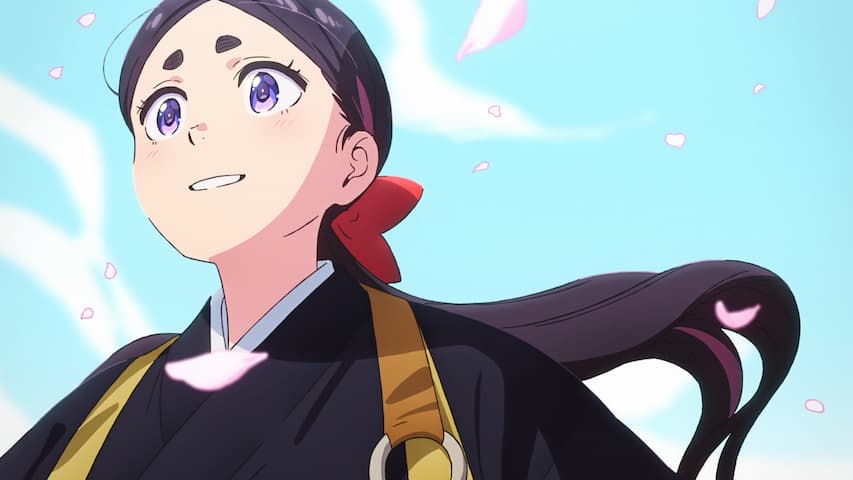
You ever watch something where the opening act feels so complete and elegantly wraps up its own questions, that it would be redundant to continue watching? This is basically my experience with The World Is Dancing. This fictionalized tale of Zeami Motokiyo has barely just begun, but for me, I am quite satisfied with what I already got. The first two episodes cumulate into one of the best premieres this season with both its exploration of why people dance even in the worst of situations and its explosive display of the very act itself. Seriously, the shirabyoshi dancing her heart out and the realization on Oniyasha’s face of what dancing can mean to someone make for an incredible one-two punch. Add some amazing animation and stylization into the mix and this anime was on the best track to climb up my rankings.
The third episode is not bad, more or less keeps up the same level of writing and actually has some very good character bits outside of Oniyasha, but at the same time my motivation to continue watching has seemingly decided to jump off a cliff. I know it is not a high concept story with an intrinsic hook to keep on watching, but this tends to not be a problem for me. Maybe it truly is just the feeling that I already got everything I wanted out of the story. For now, it sits comfortably next to last season’s Nippon Sangoku, which I might give another go some other day.
So far so fine and dandy, but now it is time to write about the anime that overcame my completely arbitrary survival trial.
Jaadugar: A Witch in Mongolia
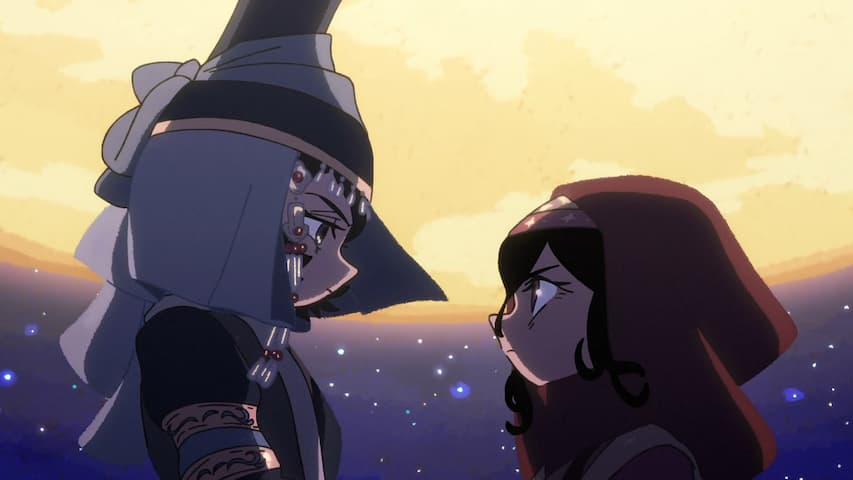
In the first episode, Muhammad teaches Sitara the importance of knowledge as a tool to not just explain, but also predict the world around her. In the last episode, Sitara and Ögedei talk about the movement of celestial bodies. Both turn out to be factually wrong, naturally, given their thirteenth century background, but they are so for very different reasons. Ögedei gives a very obviously spiritual answer, which more so encompasses the way of life of the Mongolian people than literal reality. On the other hand, Sitara asserts the words of Allah as absolute truth, based solely on her faith and the assumption, that it simply has to be true, even when the very book her mistress died and she underwent her entire journey for would later be indispensable to proving her wrong hundreds of years later. It is this ignorance and prideful opposition, mixed with her hatred and the inability to see the world for what it actually is, which makes her vulnerable to be outplayed time and time again. Her flaw is that she continuously assumes to be the smartest person in the room, solely because she is so in most cases, except the ones that truly matter.
I think Jaadugar might be best approached with exactly that kind of mindset. At its core, this anime is a historical drama and though I can not speak of its accuracy, the picture it paints of the world is fascinating nonetheless. Ideology meets on personal vendetta, as different figures with their own goals intertwine in all kinds of exciting manners. And most of the time, the characters aren’t even aware of it. Sitara and Töregene are engaging in very obvious ways (Love seeing women scheming) and so is Boraqchin and how she casually sneaks into and overtakes the narrative in the last stretch. Meanwhile, Tolui, the guy responsible for kicking off the events of the story in the first place, is mostly busy on his own side-quest, while Ögedei redefines the entire playing field of the series. At the same time, there is a certain emotional intensity behind every action that is hard to describe, in part because not every character reciprocates these feelings. I love the display of spirituality, the comradery between the different factions and how desperation can come from having achieved your goal in unintended ways.
Is it always perfect? No. Is it sometimes too lost in its own sauce? Sure. But I am willing to give any amount of grace to a series so unashamedly committed to what it has to say. Add a great looking adaptation on top of that and Jaadugar turned out to be some of the most fun I had in the last three months.
Final Verdict: 8/10 – No, I will not read anyone’s wikipedia article.
Sparks of Tomorrow
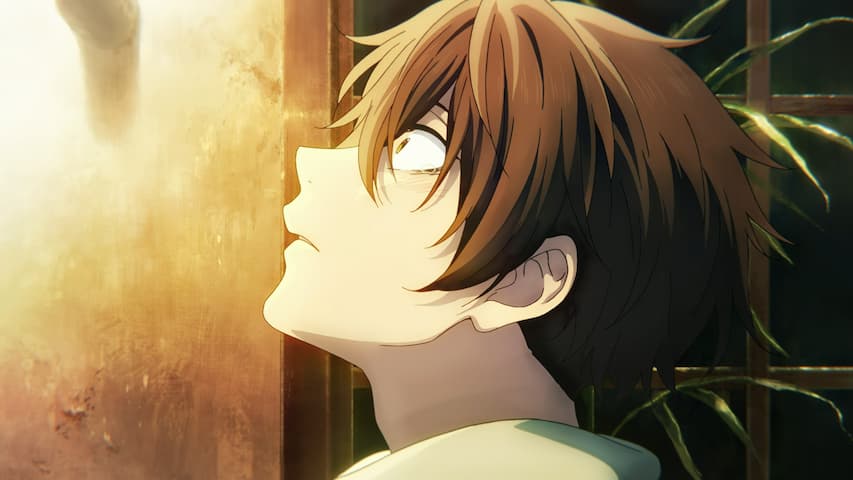
What a beautiful and fascinating mess this turned out to be. I had a hard time trying to grasp what Sparks of Tomorrow is even trying to attempt in its first half. From big idealistic displays and statements about how technological developments can cascade into how the literal way of life can be changed to episodic adventures featuring inventions like a love detector and the electric guitar. The second half then focuses on what it means to bring the world into a new age and under which circumstances this can and wants to be achieved. Generally, I am actually very much on board with most of the ideas Sparks of Tomorrow throws at the wall, as well as the dynamic between the characters, but there is just one problem I simply can not ignore, no matter how good of a time I still had in the end.
The writing is bad. Like, really bad. Like, over-ambitious at best, strangely problematic at worst and simply insulting on a general baseline kind of bad. There aren’t even specific elements I can directly point out, because there exists an entire web of questionable decisions that constantly builds on another, so even when individual scenes mostly flow really well, once you take a step back, the end result is all over the place and makes one wonder how we even ended up here. Yousuke is a fascinating character, because he isn’t just an antagonist who, in a sense, mirrors the motivation of the main character, but also who’s over the top energy and willingness to just go along with whatever happens is very enjoyable. But his obsession also makes him irrationally sporadic and bends the story in a direction I simply do not think makes any sense or brings cohesion to its overall themes. Kihachi and Inako have an interesting dualism going on where they both successfully motivate themselves to actually fulfill their dreams, but also nothing in the story makes this development feel earned. And as much as I want to defend Kengo, he is the biggest proponent of this series' main flaw of the characters refusing to talk to another when they have already basically worked through their problems. Seriously, him laughing at Kihachi and Inako for not speaking out their gripes for another and then refusing and doing everything in his might to not talk to his fiancee about their shared dead friend, whom everything revolves around, almost made me scream.
It was never frustrating enough for me to stop watching, but I could not in good faith properly defend this anime from slander of any kind, because chances are I will most likely agree and even add to it. Kyoto Animation can pat itself on the back for delivering one of the most visually unique, polished and well-produced anime of the year once again, but it will surely not rank all that high in any other regard… yet, I still had fun. Weird how it all works out in such a way sometimes.
Final Verdict: 6/10 – Men would rather literally invent AI from first principles than go to therapy.
Goodbye, Lara
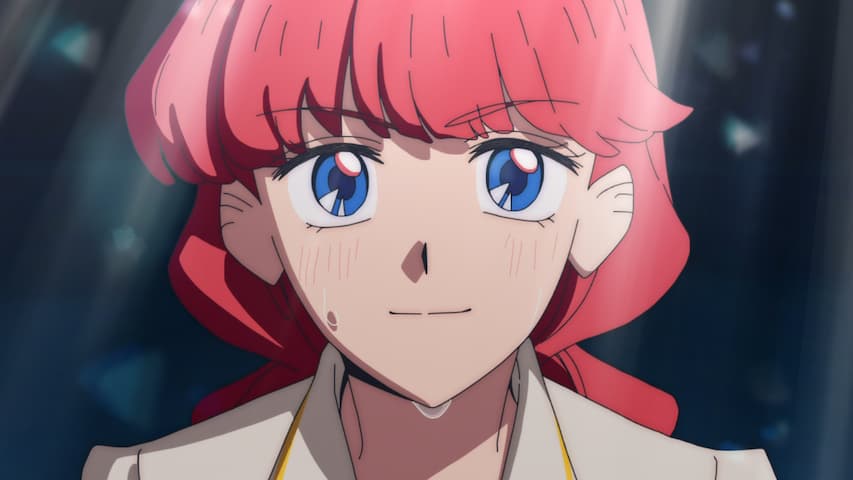
True love, as a narrative tool, is something I have seen most definitely subverted more often than experienced straight. Hell, even Andersen’s The Little Mermaid uses the one-sidedness of it to tell a story about selflessness and how (un)conditional love can be. However, I don’t think I have ever seen something that tackles the idea of true love and love in general quite like this anime does and as someone who is aware their views on romance and relationships are not the norm and would get me publicly executed if stated outright, it felt incredibly cathartic seeing the characters navigate and work through their feelings in a way that actually make sense for me, if not in a way one might immediately assume.
Lara, as a character, starts of really simple, almost frustratingly so, if the anime wasn’t so confident in its messaging from the get go: Despite her own experiences, she is only able to see love through the lense of fate and miracles and this idealized image of it is so stuck in her head, that she can’t even realize how her thinking causes literal harm for herself and others. However, and maybe surprisingly so, the narrative never deems it necessary to belittle or punish her for her naivety or the fact that she ever sought out this love. Instead, it gives Lara room to learn and grow, not just about the different kinds of love, romance and affection out in the world, but also to find out what she herself wants out of her own life. This is a full on introspective journey in the face of societal expectations and personal growth and I was with it for every step of the way, no matter how hectic the ending is in some regards.
And that is just her perspective. Throughout the anime, we get the entire spectrum of dynamics and how love and hate can shape a person. From the more episodic ventures of Himeka and the cake store owner, Mari’s family and how it contrasts and reflects Lara’s own, to how all the siblings in this anime tend to act for another, there is so much good to be found in the little things. Every scene carries so much weight, further amplified by great direction and creative storyboarding, to simply affect me the right way. Then there are the big hitters like Lisa and Kouta’s own display of love and the reveal of what Grace’s entire deal turned out to be, which almost made me cry. And then there is Mari, whose feelings of loneliness and fear of loss are really understated in the way and with the subtlety they are portrayed.
It is rather hard for me to talk about Goodbye, Lara in general when I want to dissect almost every scene in detail. It is easily my favorite anime of the season and I hope some people fix the darkness in their hearts and stop being so reductionist.
Final Verdict: 8/10 – I still believe Mari knocking out Luca on the bridge would have been funnier.
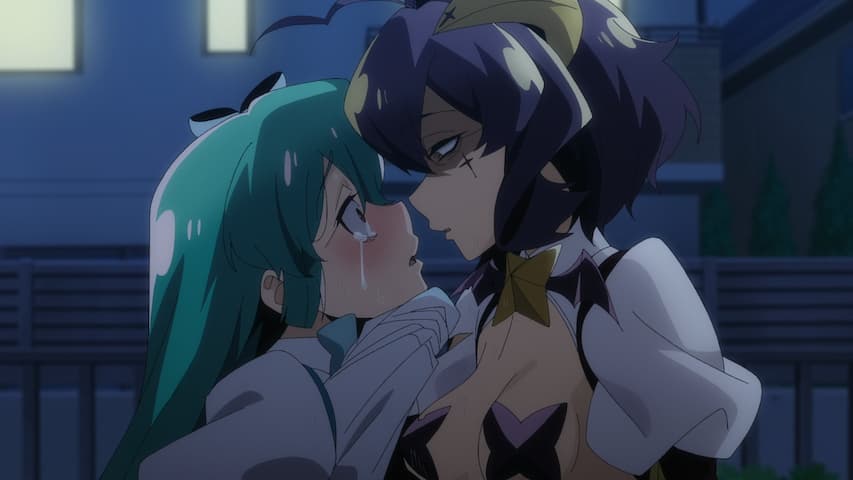
Love Unseen Beneath the Clear Night Sky
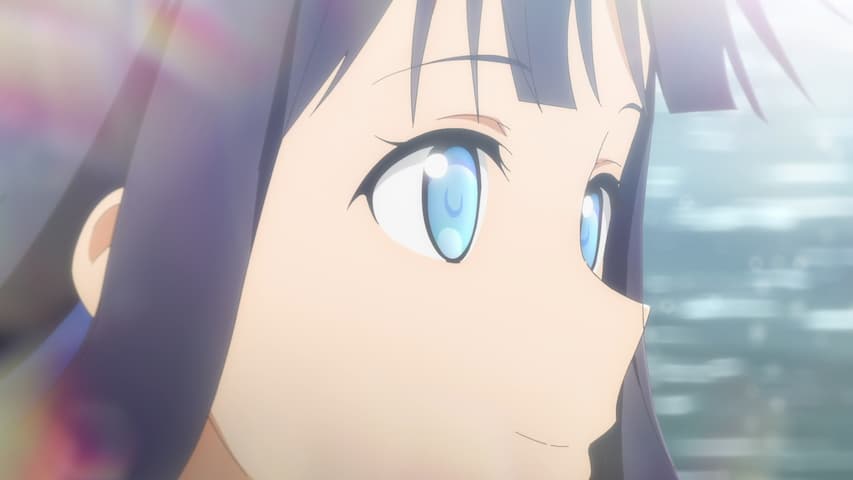
I have to be honest, there was always a certain kind of skepticism and maybe even contrarianism in me while watching this anime. One might even argue deservedly so, but it doesn’t change the fact that a part of me had difficulties engaging with Love Unseen Beneath the Clear Night Sky completely on its own terms. Hell, I am writing this back to back after having finished Goodbye, Lara, so I am all too aware about my preferred approach to romance. Truth is, the anime is fine, aggressively decent even. I like Sorano and Fuyutsuki well enough and while I obviously can not talk definitively about the handling of the subject matter, it seems well-intentioned enough, outside some specific scenes and plot points, to deserve some grace when it is not in full PSA mode.
On the other hand, in the grand scheme of things, I simply do not care and I hope it is clear how damning of a condemnation this truly is…
Okay, but like, I will not just write a single sentence, as this anime deserves at least a proper paragraph or two. There is a certain pleasantness in the dynamic between Sorano and Fuyutsuki, especially in the first half. It doesn’t completely dodge all the sigh-inducing romance tropes, but it also never feels embarrassed about what it is doing. This is as straight as a romantic progression as it gets, especially if you are into the type of relationship where both partners gain something like a personal resolution out of it. Very early, the story sets up Sorano as the kind of young man suffering from a mix of self-imposed burdens and not having worked through his own emotional fallbacks, who then gains a new perspective on life through his interactions with the otherwise well-put together Fuyutsuki, not necessarily in a Manic Pixie Dream Girl kind of way, but also… not not in one too. What makes it work on a structural level is that, once the rug gets pulled under the viewers feet, the roles get reversed, creating a more even dynamic.
Where the series eventually lost me was in its character writing. Sorano’s struggles get eventually consumed completely by what they mean in regards to Fuyutsuki only and Fuyutsuki herself is simply not that interesting on her own, in part because we often lack either her perspective or because she is limited by the situation the narrative puts her in. Hayase and Narumi are also more often functionally important, as in other characters need someone to talk to, than meaningful actors in a story influencing another. Nothing, outside maybe some conversations I personally consider pretty hollow, is actively bad, but I also can’t deny the indifference I feel towards big chunks of the anime. I am mostly just glad I could finish a series based on a light novel a friend speaks highly of, without it ending in me complaining all the time.
Final Verdict: A very cautious 7/10 – No seriously, what is up with the planetarium in the OP? SHE CAN’T SEE!
I Want to Love You Till Your Dying Day
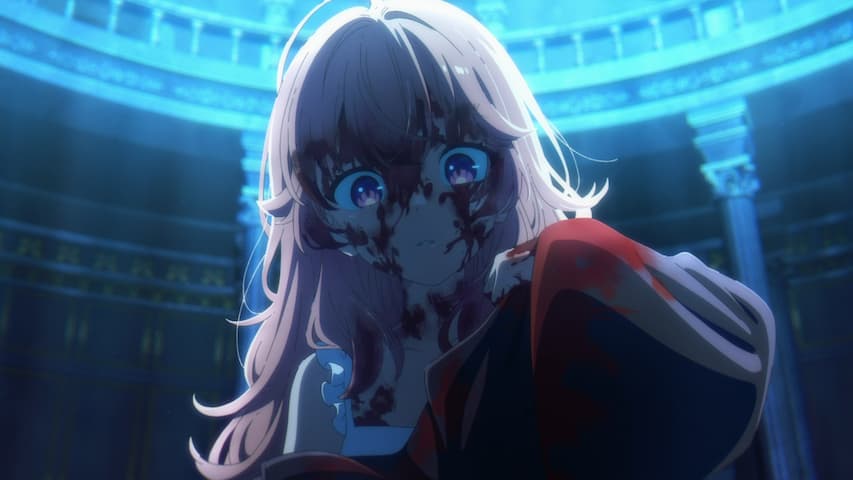
I Want to Love You Till Your Dying Day has one thing going for it and it does it right. The slow pace and refusal to go any deeper than absolutely necessary into the conflict framing the entire story makes the yearning of the girls such an effective storytelling device in characterization. The tragedy and helplessness of having to simply wait and hope that your partner comes back from something you have no control over is very easy to get behind and at its best, the anime shows different ways how to both cope and find acceptance in the way things are. Sheena eventually finding her way and purpose in life contrasts nicely to how she started almost directionless and especially Ari gets a lot of screen time simply reminiscing to a time that will never come back. When I Want to Love You Till Your Dying Day has something to say, it is good. When it doesn’t…
I do not know how else to describe it, but especially towards the end, this anime simply continues to go in circles, asking the same questions and reaching the same conclusions in not that engaging ways. I like aspects of the way the relationship between Sheena and Mimi goes, but with Mimi being not that interesting, despite her condition, beyond simply not being an archetype I tend to enjoy in the first place, I actively welcomed whenever an episode shifted the focus to another character in the second half. I would not go as far as to say the writing is necessarily bad in that regard, but this story certainly has its ups and downs and the ups are not enough to carry it into praisable territory. Production wise, I am positively surprised how much more elaborate and well animated the action scenes are, compared to how sparse they are in the original manga. In general, it is nice to see a girls love anime get such a nice visual treatment, bar the occasional weird switches to 3D models for the characters.
Final Verdict: 7/10 – Probably not enough for me to pick up the manga again.
Smoking Behind the Supermarket with You
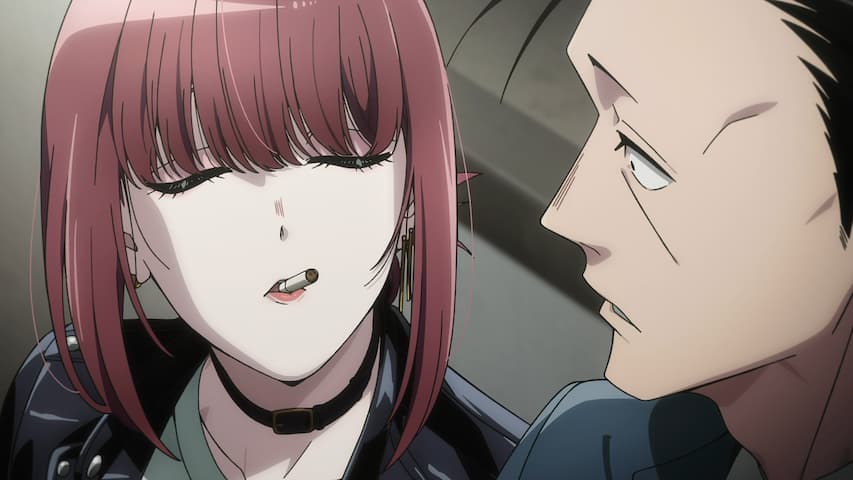
In a sense, I think Smoking Behind the Supermarket with You can be viewed as a kind of mental exercise in what one actually enjoys in a RomCom, because, in the grand scheme of things, I do not consider the anime to be all that interesting. It is by design very gimmicky and limits itself to what kind of stories it wants to tell and how the relationship between Sasaki and Yamada/Tayama can proceed while upholding the carefully constructed status quo. I am not even putting the quality, with which it executes the story, into question, but that is simply how I see it. Also, despite their age, I wouldn’t say their emotional maturity is that much higher than the average high school couple or changes their dynamic in a meaningful way. So, why is it such a darling in that sphere?
Looking critically at RomComs as a kind of fantasy or wish fulfillment is not treading new ground and something I specifically should be wary about to not sound accusatory and certainly should not reduce them to only as such, but I assume there is some degree of safety involved when observing a fictional relationship, where you can both freely embrace elements that create a connection and closeness with the characters, while also distancing yourself from everything one could consider “not nice” or even harmful. Or is it actually just all in the details? Is there something almost philosophical in the yearning of these two strangers over a shared smoke? Is Sasaki more than just a puppy whom you can tease to no end and without consequences? Is Yamada… actually, what is Yamada? Like, logically speaking, I think I understand what Sasaki means when he calls her his “Pick me up”, similar to how your wife greets you at the door after a long day and asks whether you want to eat dinner or take a bath first.
Then again, it is kinda weird how she wears nothing but an apron with the ladle in hand, looking down while simultaneously blushing and turning red like a tomato, unable to finish her question. Our new neighbor, Johnson, a big, muscular looking guy, he just moved in last week, told me how she feels lonely and unappreciated as a woman lately, so I should spend more time with her, before she “does something she won’t be able to ever take back”, but I don’t quite get what he means by that. He actually doesn’t speak the language that well just yet, so the wife has been helping him out the last few days as a sign of hospitality, but it shouldn’t have turned her brain into mush that much, that she forgot the rest of her clothes or started using the ladle for a meal that surely did not necessitates one. I wish I could help her with the dinner, but my boss has been on my case for some time now, always screaming at me how I can’t do even the most simple jobs in front of all the coworkers and how I have to stay late to make up the work, while she literally breaths down my neck and once everyone else is gone, she always takes off her suit jacket and unbuttons her blouse, because the AC is broken and it won’t cool down, even in the evening. But while I can somehow understand her, I still think it is very unprofessional when she does so to a point I can make out her dark purple brassier with dark accents and lace trimmings, especially when she would surely look better without it, but I could never tell her that, because then I would never hear the end of it about how I do not focus on work and that the disobeying subordinate needs to be taught a lesson, as the last rays of light from the sunset glisten on the sweat on her skin. Man… I miss my family. Our daughter spends all her time after school getting privately tutored by her teacher for university exams. Lovely young fellow, though I was a bit surprised seeing someone still rocking the tan, long bleached hair and piercings combo in an academic environment, but apparently the school guidelines are not as strict as they were in my time. I could have sworn I saw the two with some other men exiting a karaoke bar once, but since her grades have greatly improved, I am willing to overlook a moment of leisure. That just leaves our youngest. Boy oh boy was I surprised when five energetic young girls couldn’t stop giggling when knocking at our door to pick him up for the training camp. I could have sworn the volleyball club was supposed to be co-ed, but apparently he is the only guy that signed up, so they made him the manager of the team. A year ago, I couldn’t even take him out to a single game of any sport, but it seems like he took his high school debut to heart and finally applied himself by preparing the next generation for olympia… wait, don’t you need six players for volleyball? At least the cat’s alright.
So I think Yamada is like that, literally making your worries go away, and Tayama is like how you do not have to conform to society’s expectations to find happiness in the little moments in life. I am asking a lot of questions, when the first draft of this section literally just contained the words “this was cute”.
Final Verdict: 7/10 – Sasaki way cuter than Yamada and Tayama combined.
The Ghost in the Shell
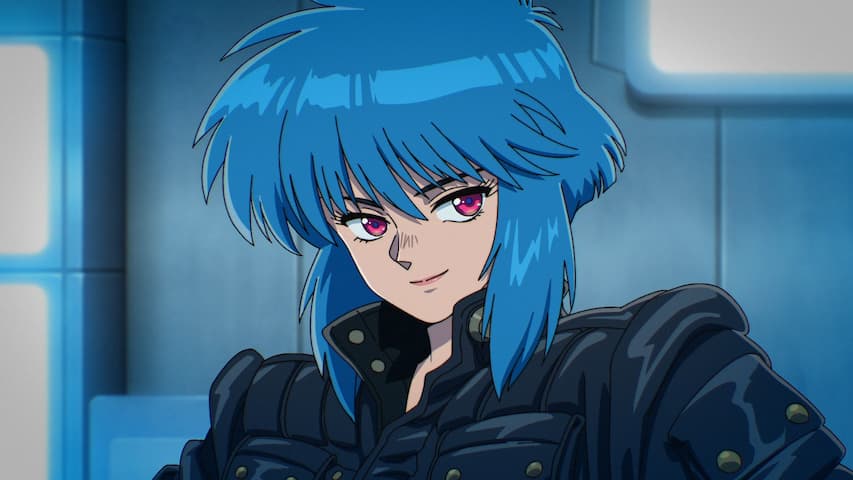
Ghost in the Shell might be either the biggest oversight or just the straight-up anti-larp in my anime journey up to now (Editor note: I do not know what compelled me to write this sentence, nor what it means). A couple years ago, I watched the original Ghost in the Shell movie adaptation with a friend and while it is trivial for me to understand why it is held up in such a high regard and considered as part of the anime canon (Mamoru Oshii do be a phenomenal filmmaker) next to renowned works like Akira or Perfect Blue, my honest opinion on the 1995 iteration is that it is basically a lot more interesting to talk about than to actually watch. I also have not seen Stand Alone Complex yet and never really plan on looking into Arise or 2045, so maybe I am simply not built for being part of the club. Bottom line: When people started getting excited that The Ghost in the Shell would follow the original manga more closely, I got excited in turn, because apparently the source material is less slow/meditative and a lot more… wild.
First things first, Ghost in the Shell is such a fascinating piece of late 80s sci-fi media. What gets talked about in very general and abstract terms or even just ideas are almost hauntingly funny in hindsight. From how development of science sculpts the way political factions wage war and handle economic actions to how society adapts and not adapts to the changes in the world. Hell, maybe we should start agent provocateuring ChatGPT and Claude and pull some counter intelligence programming, just to keep them on their toes on the whole “creating the downfall for humanity” thing. At this point, it can’t make it worse, right? Also, it is just nice to see an actual and genuine transhumanist perspective and exploration of the human condition that fully embraces the idea of technological process intertwining with the concept of classical biological evolution and how “existing” and “being alive” gets kinda hard to define once you question what qualifies as intelligence… I said it is less meditative, not lacking in thoughtfulness or not being contemplative.
Now, did I actually enjoy watching this iteration of GitS? I mean, especially the beginning is a lot more light-hearted and “fun” in a typical manner, the Fuchikoma are awesome and since it is technically an episodic police procedural, it also never gets “boring”. With that being said, I am afraid to say that I was rarely ever properly engaged or found myself interested in the anime beyond simple curiosity. The world-building and internal politics are incredibly self-indulgent without giving me a reason to care nor a need to actually understand what is going on half the time, making the driving force of some of the episodes effectively just background noise for me and the same can be said about every character outside the Major, Batou, Togusa and Aramaki. Also, some episodes are just kinda dull and not appealing to my sensibilities, no matter how breathtaking I think the presentation of the anime can get at times. Of course I adore the transcendental Bye Bye Clay and everything concerning The Puppet Master, even when I have to say it is simply too dense at times to fully appreciate, but beyond that, I don’t think I would have been missing out or feel regret if I had skipped the anime entirely. Like the movie, I would probably have a better time discussing what is said than actually listening to what is said. I may lose all my street cred for this opinion, but it do be like that sometimes.
Final Verdict: 7/10 – Not a ghost, barely a shell and arguably not even inside of it.
Draw This, Then Die!
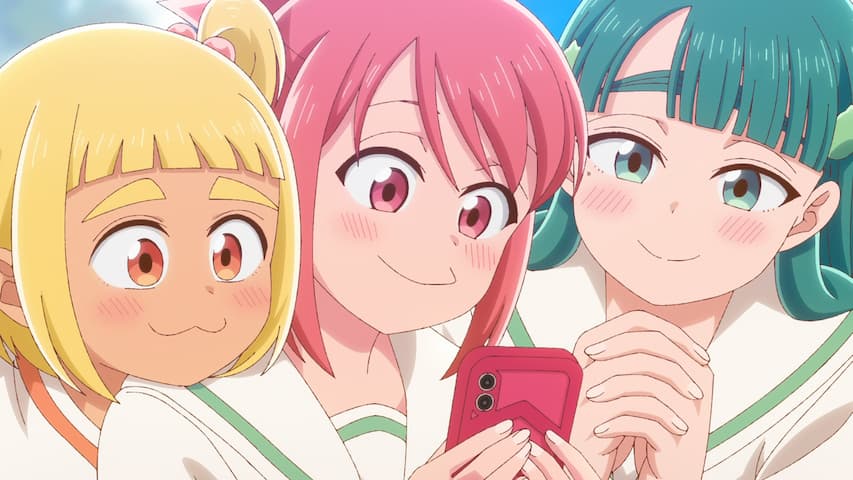
When going over the seasonal chart, I initially dismissed the anime as “We have Look Back at home”. I was wrong. Then again, it can be argued that Draw This, Then Die displays many of its fundamental strengths and I mean this in the best way possible. I’ll gladly take another story about the importance and desire and struggle to create art. Two cakes and all that jazz.
Teshima is such a relatable point of view character for me. Not because I went through similar experiences (Thank god I did not, this woman needs to see a therapist), but because of how visceral her mental state is portrayed through the entirety of her artistic journey. From the comparison of her passion to magma that eventually cooled down and turned to stone, to her inability to properly listen to feedback or acknowledge compliments and her eventual breakdown and decision to give up, it is how she deals and reacts to every hurdle she encounters that not only makes her a well-rounded character, but also is able to reflect back onto the viewer. Like, I too would daydream about shooting my editor and blowing up the Shogakukan building (totally valid btw). Then again, as someone that doesn’t even have the balls to create a burner account and post at least some of their art online, this might just be the delusions that I have in common with her talking.
It is Teshima’s background slowly being revealed, which makes the other half of the story running in tandem so engaging. When confronted with four young girls being so enthusiastic about the art they want to create, she can’t help but feel delighted and caught in their excitement and her slowly going from “Do it as a hobby”, because she herself got burned and doesn’t want her students to experience the same, to “Do it as a hobby”, because it is fun and is able to slowly reconcile her past, really brings together what is mostly a very comfy slice-of-life. A very good slice-of-life I might add. Ai is a very engaging protagonist in her own way and the friendship and comradery she develops with Kokoro is simply adorable, while also incorporating just enough friction to not make it pure fluff. The anime in general never gets too dramatic in regards to the girls, but also never completely shies away from it either, striking a nice balance. Also, Hikaru and Sacchi are hilarious in different ways, which makes the episode focusing on them such an ironic whiplash.
On a completely different note, I adore how effortlessly it incorporates its settings into the narrative. The excursions to Tokyo as this mystical place and the portrayal of COMITIA were charming and whether it is intended or not, the Izu-Oshima tourism propaganda just works. No really, when I will finally go to Japan eventually, I absolutely intend to go there via the ferry and probably die trying to scale anything with more than 50 meters of elevation. Anyway, if you are into stories about creative fields, and want something half fun, half different shades of depression, this is a very easy recommendation and a daily reminder to keep judging books by their cover, but to also read them afterwards anyway.
Final Verdict: 8/10 – Draw with the intent to kill… wait, that sounds familiar, doesn’t it?
Though I Am an Inept Villainess
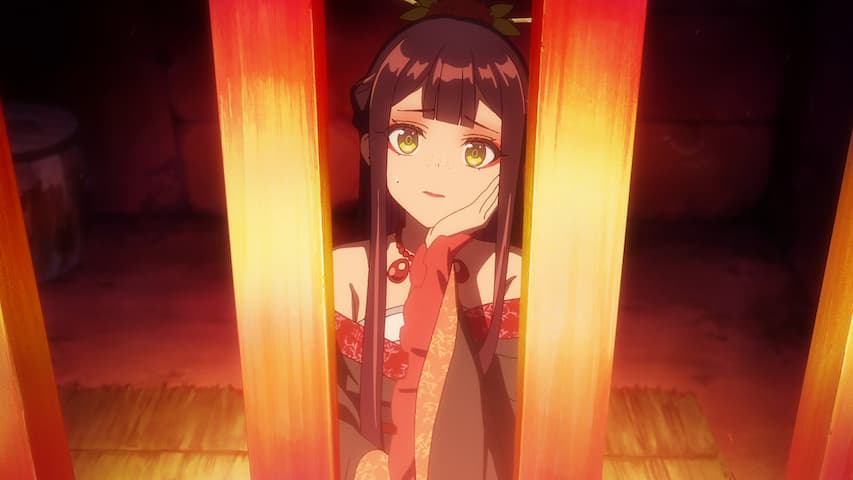
Something something villainess genre something something this was a blast. I will stand by my opinion that I will always prefer this over the other kind of LitRPG slop, if only because a villainess is allowed to be fun… if only seldom to actually be a villainess… and Reirin is like one of the funniest in a story where her being perceived as a villainess lasts longer than the first episode… of which I have, to be fair, not actually seen that many of, despite my fascination with that archetype. She constantly enriches the story with a sense of levity and grace, which made this rather mediocre inner court drama an otherwise very pleasant experience to watch. The way she deflects all the evils in the world, because she sees a silver lining in everything, but is also aware enough of her surroundings to call the intentions and bluffs of everyone around her, is simply delightful. Blatant wish-fulfillment? Sure, absolutely. She is the bestest, perfectest, adorestest and being loved by everyonest being in the story that can neither do or be wrong and does so, as if it is second-nature. But, you know, low-key, very demure and by not trying too hard. Unlike assembling a baseball team worth of women from different fantasy races, this one actually speaks to my preferences.
With that being said, beyond the jokes, there is some genuine good stuff in here. Keigetsu, the actual villainess, turns out to be a multi-facetted character with interesting motivations on her own and how she deals with the body-swapping not going quite as she expected gives depth to the setting where everyone’s favorite pastime appears to be spilling tea. That and I love her relationship with Reirin eventually running solely on tsundere spite. Similarly, Leelee and Tousetsu are great, with the latter even figuring out and deducing some of the body-swap in a manner I find believable.
The first season ends on a rather satisfying note, but I am also looking forward to the next one, because half the cast is basically begging to be finally addressed.
Final Verdict: 7/10 – For the record, I would have forgiven Keigetsu immediately.
One Piece: Heroines
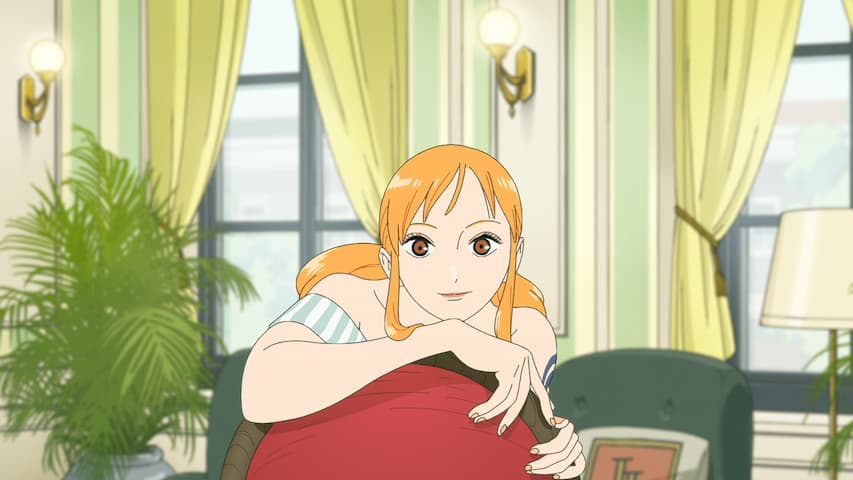
One Piece is very much a story about stories. Two years ago, Fan Letter already proved how resonant those characters can be to anyone in this world (and by extension, the viewers) and Heroines, though with a way more smaller and focused scope, does something similar. For as much shit as you can give Oda for a lot of his choices, One Piece also has many genuinely well written female characters and it is always nice to see them put in situations where they can shine the brightest.
In a way, the story of Heroines doesn’t have to exist in the world of One Piece specifically and some might even roll their eyes about how this story is told through a very deliberately and straight-forward feminist lens, but at the same time, this is kinda the point. Miucha is, by all accounts, a very normal woman not being able to live her best life, because the man she shared her dream with betrayed it, which makes her interactions with Nami so meaningful. Nami is someone who is so confident in her own display of femininity and knows what it means to be both metaphorically and literally shackled through her time in Arlong Park, making her the perfect catalyst to show how it doesn’t have to be the way it is. In the end, it was just a tiny act of defiance, this little bit of comradery between those two women, that gave Miucha the choice to reclaim her dream, but those are the moments that make One Piece so meaningful and special. That and Robin rocking yet another marine uniform while effortlessly infiltrating the premises.
Final Verdict: 8/10 – This is the kind of Agenda Piece I can get behind.
False Memory
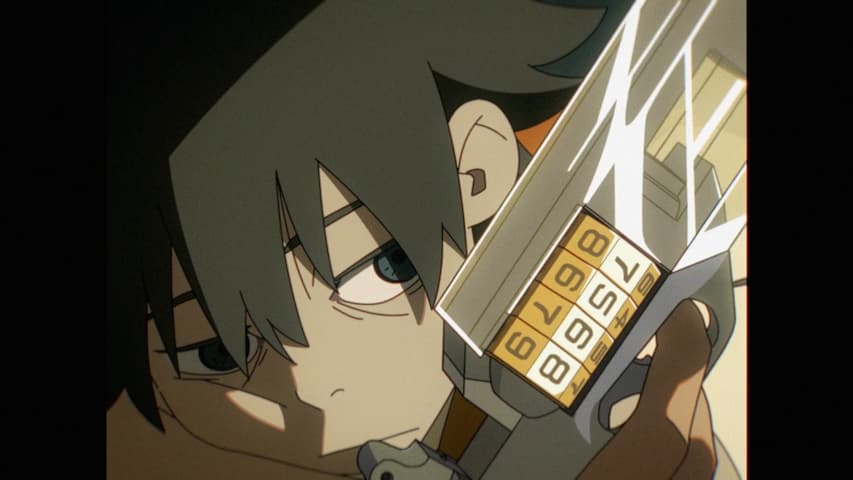
This story speaks to me on a fundamental level. Not because I think it is necessarily relatable or because I find catharsis in the characters, but because this is something I would love to be able to write myself (But can’t because I am a total hack). Part mystery, part monster of the week, False Memory is primarily an exploration of melancholy, nostalgia and the essential nature of memories as something both selective, unreliable, but also inseparable of the person one has become. Each memory layer is less about the specifics of Guan Chao’s past, but more so in understanding his lack of emotional closure and feelings of having wasted his time, as well as his eventual isolation and escapism. In short, it is exactly my kind of fun: Seeing a character going through stuff mentally and the problems having taken material form. It is not too preachy or lacking in nuance, allows itself the time to linger on the slower side of things and not a single plot beat feels unnecessary or missing in purpose. Actually, I would have loved spending more time with some of them.
Beyond the story, this series is also just an utter blast to watch (Unless when it is low-key sad and depressing). Beautifully animated, stupidly creative action, fun side characters and so incredibly confident in its own visual language and storytelling abilities, that you don’t even need an explanation for most of the power system and logic of the world, because you simply get it by looking at whatever happens on screen. I kinda hate how short this entry is compared to almost everything else here, but that is simply because I feel like False Memory is something that needs to be experienced yourself to fully get it and can’t just be explained by someone still riding the high of the finale. Trust me, the Chinese cartoon really is that good.
Final Verdict: 8/10 – Spin-off for Bai Zhong when?
Star Wars: Visions Presents - The Ninth Jedi
To be honest, I initially didn’t even pay any attention to The Ninth Jedi (Disney and the utter lack of marketing for their own properties didn’t make this a challenge, really) before the Quest for the Best podcast decided to make an episode about it. I never bothered to check out the Star Wars: Visions anthologies and after finally having watched Andor and between my rewatch of the original and prequel trilogy, whose movies I don’t really rate all that highly, and the general state of modern Star Wars being all over the place, I thought I would be done for some time with the franchise. Turns out all it needs to bring me back in is saying that something is good. And no, I will not play Knights of the Old Republic.
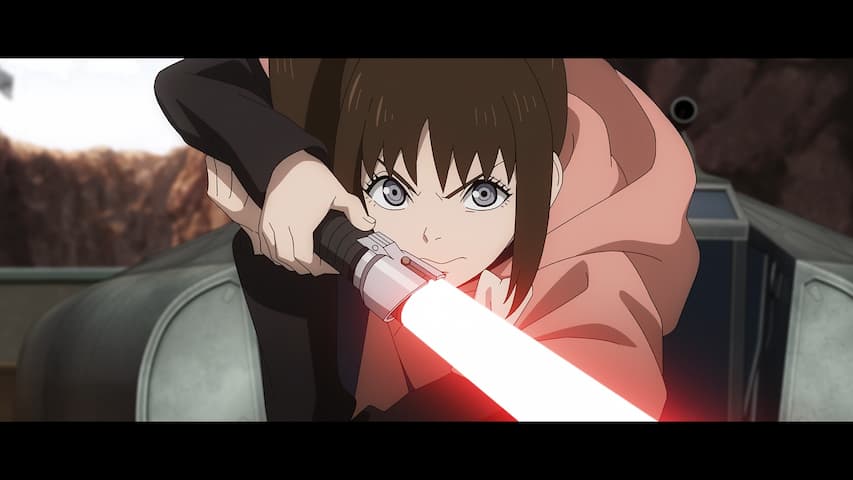
The best thing The Ninth Jedi has going for it is taking an element, which kinda exists in the original trilogy, and actually running with it, which is questioning the preconceived Jedi/Sith dichotomy and what it actually means to take the path of one. Yes, this is a Jedi in the thumbnail and yes, this is a red lightsaber in her hands. The anime gets a surprising amount of leeway out of the imagery of the lightsaber color, by making something that was always implicit, basically explicit in a meaningful way. The Jedi’s lightsabers are green and blue, because they are the good guys, the Sith get red, because they are evil and Mace Windu has a purple one, because Samuel L. Jackson asked nicely. Here, it is a constant reminder between the rift of ideal, reality and self-realization. It also just kicks ass. Star Wars has always been a samurai flick in spirit and The Ninth Jedi fully leans into it in its design language: The masterless Jedi might as well be ronin, Nawaam dons an all-black shogun helmet and Kara binding her long sleeves with a tasuki is bespoke character design. And on the sci-fi front, from the space warfare over alien worlds to characters talking politics, it all sure looks, sounds and feels like the Star Wars I know without compromise. It doesn’t even need to reference anything from the main line series, so no Glup Shitto to be found here.
If there is one thing that holds the series back, it is the combination of its limited episode run and the script and character writing simply not being as tight as it needs to be at times. The first four episode might as well be the first entry in a trilogy and structurally, they basically are A New Hope sans the call for action, which was already covered in the original anthology. On the other hand, the second half, while working really well and easily having the best material, does not cover enough ground to make Kara’s development feel particularly satisfying or deserved and the cast of side characters ranges from cool in a vacuum to kinda just there, I guess. The two antagonists are great, though!
Also, one last dig against The Mouse™: It is always fun when a service does not provide actual subtitles for the Japanese audio track but “dubtitles” instead, so you are essentially forced to watch it all in English. In general, I’m quite fine with the dub, nor would I call Kara’s dub actress bad, just… everytime I switched to the original audio, it was like watching a different character altogether.
Final Verdict: 7/10 – Imagine putting dwarves in space and they are still somehow underground.
The Ribbon Hero
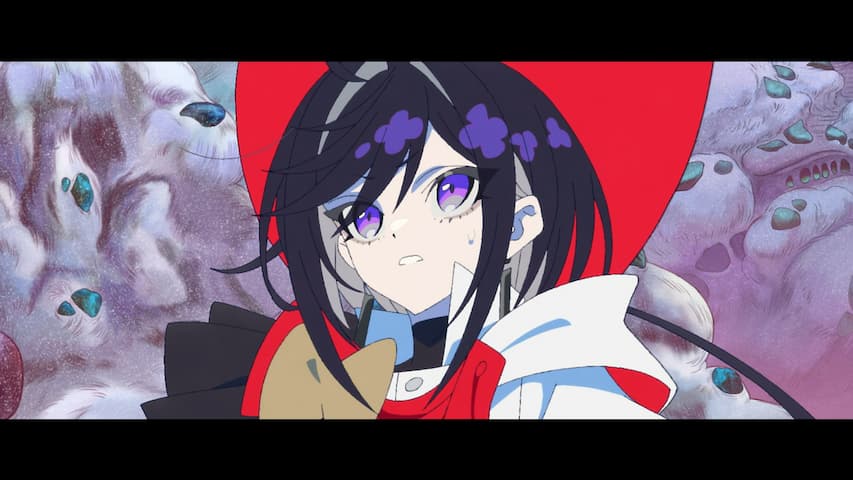
So, try to imagine a recap movie (which it is not, btw) which attempts to condense what feels like at least 24 episodes into less than two hours. That’s it. That is the sole thought I had while watching The Ribbon Hero. Just me imagining another version in which anything that happens is properly narratively justified and emotionally deserved. This doesn’t mean that the story is an incoherent mess, far from it, it is actually very easy to follow, in part because nothing really happens. It might pretend otherwise and certainly goes through all the expected motions of what would constitute a well-rounded plot on a surface level, but it simply does not commit to any of the few ideas it actually has, to the point I am genuinely unsure what this movie even tried to say in the end, beyond just being a not that fun and engaging experience.
Seriously, every character gets kinda just introduced, some simply blurt out their motivation outright, if they have one, and, aside from Sapphire, do basically nothing the entire movie, while acting like some big development happened towards the end. Needless to say, the entire “Side characters come together to help the protagonist in the final fight” fell as flat as it could. There is one character death so laughable, because me describing the circumstances of why one is technically supposed to care would unironically take longer than the length of their entire screen time. I also can’t stand how overly and forcefully cutesy Sapphire, Pine and Hecate are portrayed all the time, so they look more like shallow imitations than actual characters with appeal, even when it leads to consistently funny animation bits. It also made the more serious confrontations just hard to watch, because I could never figure out what kind of tone it was going for, again making it hard for me to feel engaged in what is already rather trite material. At least Velvet dismantling the concept of both masculinity and femininity at the same time was fun. Him ripping off parts of his clothes to fight better was some real diva shit.
Storywise, the only real thing it has going for it were the last fifteen minutes, where it finally tries to pay off its whole framing as a theater/revue performance by kinda deconstructing itself as a story and referencing the original Princess Knight, but even then its vague messaging barely connects to anything the movie talked about prior up to this moment, so any interpretation becomes essentially just guess work, especially if one, like me, is unfamiliar with Tezuka’s works. In general, this entire movie felt really disappointing, because I really dig the aesthetic sensibilities of the physical spaces and the world-building it implies, as well as the magical girl vibes just oozing out of every pore. It also looks simply amazing. Like, I would be really willing to watch the imaginary anime to which this movie is just a rushed recap of, but alas, it is simply a badly written movie, whose true potential can only be imagined.
Final Verdict: 5/10 – Henshin sequence so good, they had to show it thrice.
You and I Are Polar Opposites Season 2
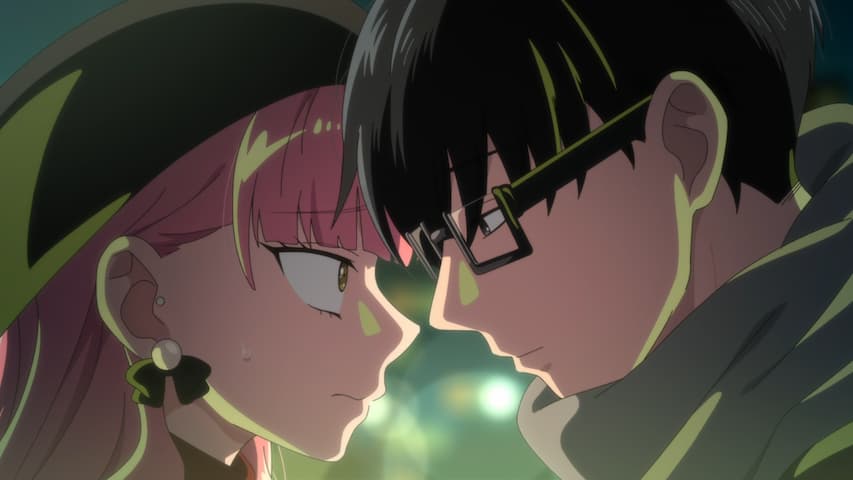
Maybe I have been a bit too harsh on the first season or it simply took some time for me to fully fall in love with You and I Are Polar Opposites, but here I am in absolute delight of it all. It is not even like something fundamentally changed between the first and second part of the story, with the exception that the two other pairings get a lot more developmental focus, but looking back on it, I just grew rather fond of the cast and while I accept and respect the way everything ended, I also would not have minded another season with them. Like yeah, the romance and every other kind of relationship in this anime is great, but even when the characters did nothing but hang out, no matter the constellation, it was like a warm blanket wrapped around me that reminded me of not quite a time gone by, I still meet up with my friends, but I do kinda miss seeing them every day at school and talking about nothing important.
Speaking more in-depth about said relationships, Nishi and Yamada and Taira and Azuma absolutely delivered on every front imaginable and even Suzuki and Tani still have some new material to offer, given they are in a very different stage as a couple as the other two. Nishi and Yamada always had the most wholesome and saccharine atmosphere around them and it was just as sweet to finally see all those small approaches, those moments of getting closer and willingness to take the metaphorical leap of faith accumulate, pay off and build up into something, that eventually brought out the best version of themselves. On the other hand, Taira and Azuma, episode after episode, showed how winning the overthinking medal is not just peak teenager behavior, but genuinely rooted in a mix of fear, self-loathing and insecurity about how even the slightest change in a dynamic could forever alter something one has already made peace with. And lastly, Suzuki and Tani facing the challenge of keeping a relationship going, learning to fully trust another and coming to terms with the fact, that they will not always be literally side by side forever was, even if a bit repetitive at times, still compelling, if only because this is a point not every relationship in an anime can even reach.
In general, if one is looking for an anime, where the relationships are meaningful beyond the joy of seeing characters you like together, there is nothing stopping me from recommending You and I Are Polar Opposites… and this should mean something, if even I say so.
Final Verdict: 8/10 – Azuma redemption arc (successful).
The 100 Girlfriends Who Really, Really, Really, Really, Really Love You Season 3
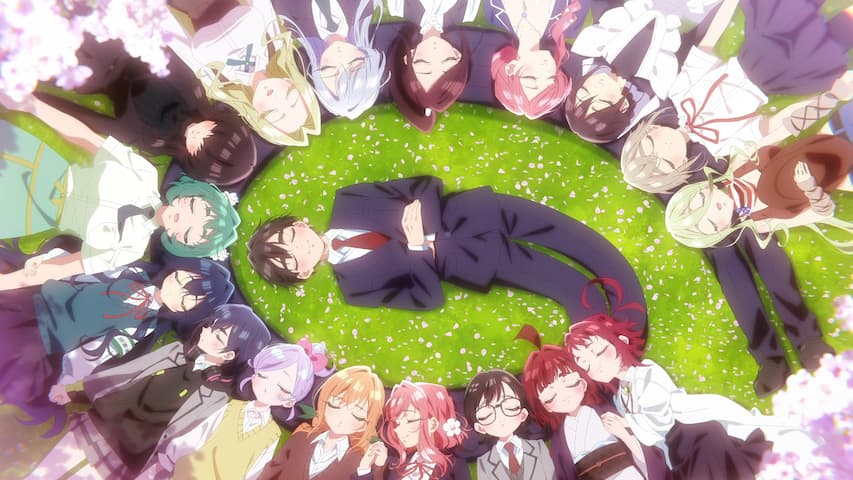
Top Boyfriend is back on the menu. I mean, at this point I do not think I have to go into detail why this specific harem comedy is peak, actually. With a girlfriend count of 17 at the end of this season, I am more impressed how this anime is still able to function on even a basic level. Then again, while Rentarou is able to pull the amount of weight equivalent to twenty lesser protagonists, it is always charming to see the dynamics between the girls themselves and how it expands every time the family grows. Episodes like the stupidly well-produced idol show are obvious highlights, of course, but even the more episodic and random outing with a small selection of characters keep putting a smile on my face and I hope if the anime gets another continuation, it is able to slow down a bit, because some of the girlfriends deserve better.
Final Verdict: 7/10 – Yasashiki, my beloved tall queen.
Saga of Tanya the Evil II
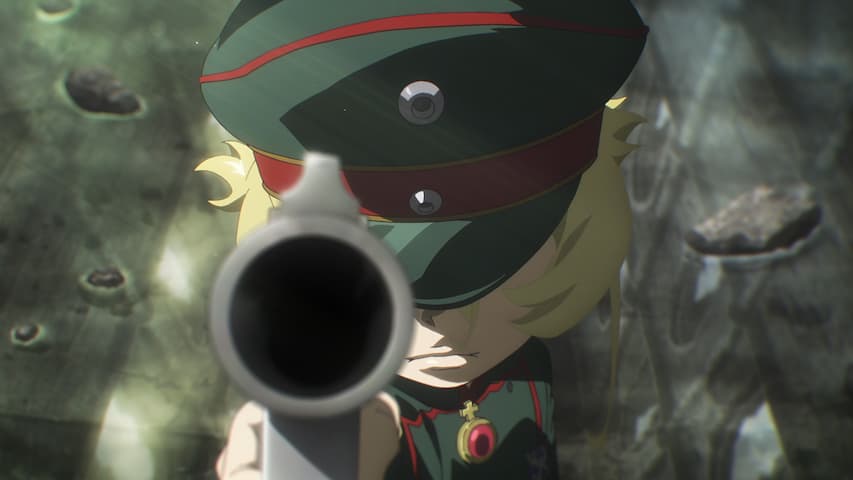
I am aware the optics for Saga of Tanya the Evil are somewhere between dishonestly misconstructed and just straight up bad for anyone passingly looking at its surface. After all, there is no denying that there is, in fact, a crazy loli in a military uniform committing (technically not) war crimes in the name of what could be read as peak mid-2010s Reddit atheism™… which is a real shame, because once all the theatrics are stripped away from it, what is left is a war story in which no single actor is able to understand how the scope of this conflict went out of control so fast or how no one is seemingly willing to end it either.
This season takes a step back from the action and gives a way bigger focus on both the politics and the personnel keeping the war going. Rudersdorf gets a surprisingly large amount of mileage out of the fact how the cost of the war leads to this sunk-cost fallacy thinking that the end of said war must have some kind of meaning and Zettour reaches new heights by finally being able to show off what a scheming bastard (affectionately) he is able to be, once all the chips are down. And in the midst of it all is Tanya, whose inability to fundamentally grasp the feelings and lack of logic in other people keeps biting her in the ass. Her psyche keeps hitting a fascinating balance between viewing her actions through the lens of a middle-manager simply following orders and doing their job diligently and how these actions keep contradicting her own desire of leaving the war behind and living in peace. In a better world, she would be obsessed with train schedules, but this one, just like the world before, simply made her a monster utterly lacking in empathy.
Arguably my favorite moment in the season is how her orders eventually boiled down to achieving “victory” but no one knowing or being able to explain what a victory at this point is even supposed to entail in concrete terms, so she keeps stuck in an endless back and forth of failed attempts at diplomacy, superiors unable to back down and gaining new enemies everywhere she goes, once simply blowing something up doesn’t fix the problem anymore.
Final Verdict: 8/10 – The dream of being able to live off royalties from a picture book.
Shiboyugi: Playing Death Games to Put Food on the Table 44: Cloudy Beach
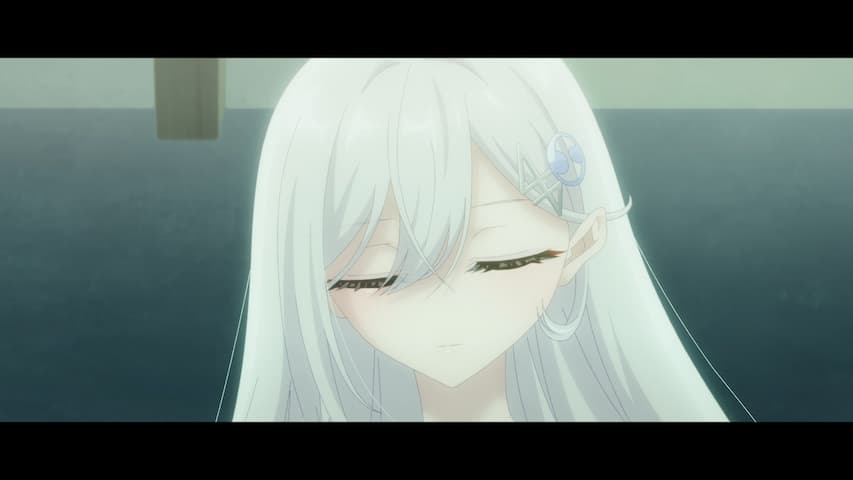
One can argue that it is kinda hard to determine what Cloudy Beach, as a product, really is. On the surface, sure, it is simply an adaptation of the next arc, after season one adapted the first two novels. Then again, it is also technically a theatrical movie, which then every service unceremoniously lists as episode 12. Productionwise, it looks just like the anime, but simply calling it a 90-minute episode also doesn’t quite fit it, as the experience of watching it is very different than four episodes worth of content stitched together. Personally, I view it more as an epilogue to the entire season that came before. It certainly makes the rearranging of the original structure more deliberate, the way Yuki gets haunted by spectres of past games feels more important than the current one and, if light novel readers are to be believed, the original story starts drifting in another direction and completely caps of certain plot points and characters after the events of this arc. In short: Yeah, it is just more Shiboyugi as we know it.
There is a certain cruelty to the way Yuki suffers. The end of season one gives her a false sense of clarity and hope, that playing the death games may give her meaning and purpose in life, while simultaneously making it abundantly clear, that she has been long broken by them and solely suffers the consequences and Cloudy Beach really wants to hammer this point home: On a physical level, she continues to deteriorate and psychologically speaking, she is barely operating. Her dissociation reaches new heights, constantly flipping between her killing other people is something she did and has to grapple with and something that just happened to a girl named Yuki, unable to stop herself, as the only thing she knows about is moving forward, even if she doesn’t want to or doesn’t know why she does so in the first place, fundamentally rendering her into an unreliable narrator. The only thing she thought she might have had a firm grasp on, that is the relations with the other girls she formed in the games, slowly folds in on themselves or comes back in other devious ways. I adore the scene of Yuki imagining Kyara cutting open her arm and finally being allowed to see actual blood, instead of the cotton stuffing we came to expect. And lastly, when everything is said and done, even her only concrete goal of beating 99 games gets robbed from her, once she understands what her mentor’s deal was.
As for the actual game itself, I liked the moments where everyone was more or less just wandering around and being unsure what the nature of the game is, especially with the group consisting of the members it does, but even I have to admit that the main conceit is kinda dumb and with the anime being how it is, also just plain hard to follow, with a weird imbalance of what is concretely shown, somewhat implied or completely left open, considering it eventually all comes down to Yuki’s confrontation with Essei anyway. At least she is finally able to foster some kind of healthy companionship with Airi, but where this might lead to is in the stars she so calmly sings about. Considering no further continuation was announced and the director is already working on another project, I am fairly content with how this series ends (cliffhanger(?) included), so the only question left is if I am finally willing to read the novels and see how different they apparently are from the anime.
Final Verdict: 25/34 – Not your average beach episode.
Digimon Beatbreak
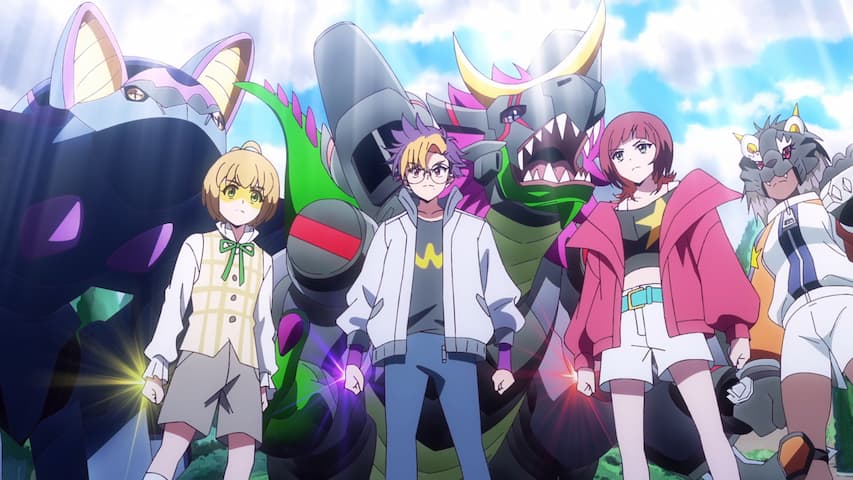
This is actually the first time I saw the entirety of a Digimon anime in a proper and sensible fashion. Not that it really matters as a point of comparison, because the last time I caught an episode of Digimon on TV was like 15 years ago, but I feel like I would have enjoyed Beatbreak a lot. Alas, it is current year and I did in fact enjoy Beatbreak quite a bit, though I also have to admit that it is also quite the mixed bag. I am rather fond of the general theme of family and societal estrangement that is constantly running in the background and most of Beatbreak’s best episodes either directly focus on it or introduce a character whose main conflict revolves around those ideas. Also when Beatbreak is good, it is really good. Once the anime decides to not hold back anymore, there is an emotional intensity to some of the conflicts that is hard to describe and makes you wonder how far it is willing to make the characters show themselves from their worst and ugly sides. Especially Tomoro and Kyo were often not that far away from bumping up the age rating in addition to the already rather explicit violence and occurrences of death. It also helps, that Beatbreak will go places that, while not unheard of for “children media” (I have seen enough Precure to vouch for that), require a certain maturity that, when respected, benefit a lot from the degree of abstraction Digimon provides. Not to sound too much like an edgy teenager, but the Tactics arc and its fallout really nails its strengths of characters bearing the responsibility of a system that has fundamentally forsaken them.
On the other hand, for all the good it has, there are also just as many, if not outright bad, at least very mediocre episodes, including most of the first cour, a couple of nothing burgers and one plot line I personally think is very mishandled. It hurts twice, because I would argue the core cast deserves a lot more episodes towards themselves. Reina and Makoto don’t even get to properly do anything with the final form of their partners, the remaining Five Stars are clearly under-utilized and for a good chunk of characters, I would have loved to see them properly revisited, just so the finale could be this true culmination of what everyone went through and show how misguided the antagonist turned out to be. Just look at Maki’s episode and tell me you wouldn’t wish that for characters like Honoka or Yoshimura. On a different note, it is also very disappointing that the anime kinda just dropped its cyberpunk angle so quickly, because there are capital I implications everywhere.
For all its flaws, I had a really good year with Digimon Beatbreak, especially when I more or less picked it up on a whim. And if this is the base quality going forward, I will gladly give the next entry in this franchise a try too.
Final Verdict: 7/10 – I need a marketable plushie of Chiropmon immediately.
What’s left?
As with their previous seasons, I still have to catch up with Re:Zero and Mushoku Tensei. For new anime, I keep being very much on the fence of even giving Chainsmoker Cat a chance, but I also don’t want to dismiss the possibility entirely. Kaiju Girl Caramelise is supposedly rather good, so if I am ever in need of a quick shoujo fix, this might take priority. Lastly, I heard Grow Up Show is nice and A Livid Lady’s Guide to Getting Even features a villainess actually doing villainess stuff. Also, I am like one GIF away from watching I’m an All-Works Maid… I do not care how bad the anime is, it is like looking into a mirror that reflects a better world. As far as movies are concerning, I am probably waiting for the TV-cut of Sekiro: No Defeat and Sword Art Online: Unanswered//butterfly will only ever be on the table if I want to see SAO from its worst side.
And that is all! Why did I write so much? Actually, this is my first post breaking 10K words! Wow, never gonna do that again. Part of me thought about simply watching all of the above-mentioned anime too, but I also want to publish the post about anime from the summer season before it is officially November, lol. Then again, it is not like the next season will keep me particularly busy, so who knows. Until next time.
Related Posts


Comments